
How AI is Revolutionizing Our Daily Computer Interactions
- Sheldon M

- Sep 17, 2025
- 4 min read
In recent years, artificial intelligence (AI) has transformed how we interact with our computers. From voice-activated assistants to smart algorithms that predict our needs, AI is now a crucial part of our digital lives. This blog post delves into how AI is changing everyday computer use, enhancing productivity, and making our interactions more intuitive and efficient.
The Rise of Voice Assistants
One of the most significant changes in daily computer use is the rise of voice assistants like Siri, Google Assistant, and Alexa. These AI-driven tools let us perform tasks hands-free, making it easier to multitask and stay organized in our busy lives.
Voice assistants can set reminders, send messages, and control smart home devices through simple voice commands. For instance, a user can say, "Set a reminder for my meeting at 3 PM," and the assistant will schedule it. According to a study by Statista, the global number of voice assistant users is expected to reach 1.83 billion by 2024. This technology not only saves time but also makes computing more accessible for individuals with disabilities or those who prefer auditory interactions.
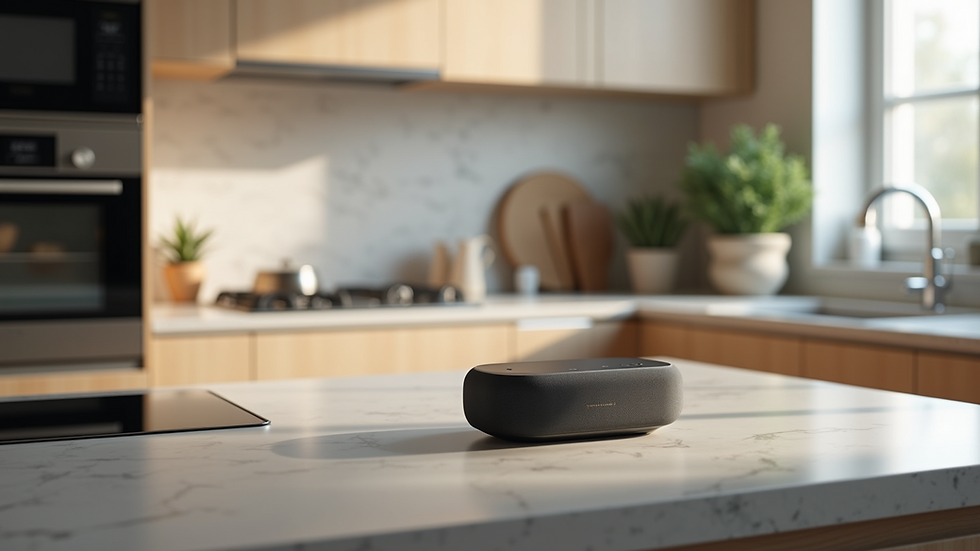
The convenience of voice assistants has led to their integration into various devices, including smartphones, tablets, and laptops. As this technology evolves, we can look forward to even more sophisticated interactions that will further streamline our daily tasks.
Enhanced Personalization
AI algorithms are revolutionizing how we experience personalized content on our computers. From tailored news feeds to customized recommendations on streaming platforms, AI analyzes our behavior and preferences to deliver content that resonates with us.
For instance, logging into a music streaming service like Spotify can result in personalized playlists based on factors like listening history and mood. Statistics show that personalized playlists can increase user engagement by 50%, as they encourage exploration of new content that aligns with individual tastes.

As AI learns from our interactions, the potential for even more tailored experiences grows. This trend extends to productivity tools, where AI can suggest optimal meeting times or draft emails based on previous correspondence, saving considerable time for users.
Smarter Search Capabilities
Search engines have always been vital for computer interactions, and AI is enhancing search capabilities. With advancements in natural language processing (NLP), search engines can understand context and intent, delivering more relevant results.
When users type a question, AI analyzes the query's context to provide accurate and comprehensive answers. For example, asking "What's the weather like?" will yield a direct answer rather than just links to weather websites. This capability can save users nearly 30% of their time spent searching for information.
Moreover, AI-driven search engines continually learn from user behavior, refining algorithms to improve future search results. This ongoing learning process ensures users receive relevant information tailored to their specific needs, making searches faster and more efficient.
Improved Security Measures
As our reliance on computers grows, so does the need for strong security measures. AI is enhancing cybersecurity by identifying and mitigating threats in real time.
AI algorithms analyze patterns in user behavior to detect anomalies that may indicate a security breach. For example, if a login attempt occurs from an unusual location, AI can flag this and prompt the user to verify their identity. According to Cybersecurity Ventures, AI could reduce cybersecurity incidents by up to 40% by 2025, making personal data more secure.
This proactive security approach not only protects sensitive information but also provides users with peace of mind as they navigate their digital lives. As cyber threats evolve, AI will continue to develop, offering even more advanced solutions.
Streamlined Workflow Automation
AI has significantly impacted everyday computer use by automating repetitive tasks. Tools like AI-driven chatbots and virtual assistants can handle customer inquiries, schedule appointments, and manage emails, freeing users to focus on more strategic and creative work.
For example, an AI chatbot can handle 80% of routine customer service questions, allowing human employees to concentrate on more complex issues. According to McKinsey, businesses that implement AI-powered automation experience an increase in productivity by 20-30%.
This shift not only boosts productivity but also enhances job satisfaction. By dedicating time to tasks that require critical thinking and creativity, users find their work more fulfilling. As AI technology advances, we can expect even more sophisticated automation tools that will streamline workflows across various industries.
The Exciting Future of Computer Interactions
The integration of AI into our daily computer interactions is significantly transforming how we work, communicate, and access information. From voice assistants that simplify tasks to personalized content recommendations and enhanced security measures, AI is making our digital lives more efficient and enjoyable.
As technology continues to progress, it is essential for users to stay informed about these advancements. By leveraging AI tools, we can boost productivity, streamline workflows, and enhance our overall computing experience.
The future of computer interactions is indeed exciting. As AI continues to develop, we can look forward to even more innovative solutions that will shape how we engage with technology.


Comments